


Table of Contents
What is Slab Leak Detection?
Slab leak detection is the process of finding water leaks that happen under the concrete foundation of your home. These leaks occur in the pipes that run beneath your house’s concrete slab. Finding these leaks early is super important because they can cause big problems like water damage, mold, and high water bills. Special tools and methods help plumbers find exactly where the leak is happening without having to break up your whole floor.
Why Slab Leaks Are Difficult to Spot
Slab leaks are tricky because they happen where you can’t see them. Unlike a dripping faucet or leaky toilet, slab leaks stay hidden until they cause noticeable damage. That’s why knowing the warning signs and getting professional detection help is so important.
Most homes have water pipes running underneath them. When these pipes get damaged or worn out, water escapes and can slowly damage your home’s foundation. The sooner you find and fix a slab leak, the less damage it will cause.
Let’s explore how to spot these sneaky leaks, what causes them, and the best ways to find and fix them before they create bigger problems for your home.
Common Signs of a Slab Leak
Knowing the warning signs of a slab leak can save you from expensive repairs. Here are the most common signs that might mean you have water leaking under your foundation:
Unexplained Increase in Water Bills
If your water bill suddenly jumps up without any change in your water usage, it could mean water is leaking somewhere. Check your bill each month. A slow but steady increase might point to a small leak that’s getting worse. Even a tiny leak can waste hundreds of gallons of water each month!
Sound of Running Water When No Fixtures Are On
Do you hear water running when all faucets and appliances are turned off? Try this simple test: make sure all water is turned off in your home, then listen carefully near the floor. If you hear a hissing or running water sound, it might be a slab leak. This sound happens because water is escaping from a pipe under pressure.
Warm or Hot Spots on the Floor
Feel around your floor with your bare feet. Do some spots feel warmer than others? This could mean a hot water line is leaking under that spot. The hot water heats up the concrete above it, creating a warm patch on your floor. This is especially common with hot water line leaks.
Cracks in Walls or Floors
When water leaks under your foundation, it can cause the ground to shift. This movement can create cracks in your walls, floors, or even your ceiling. Look for new cracks, especially ones that seem to appear suddenly. These might start small but can grow bigger if the leak continues.
Damp or Wet Carpeting
Wet spots on your carpet or flooring that won’t dry up could mean water is seeping up from below. This is especially suspicious if the wet areas are on ground-level floors and aren’t near any obvious water sources like sinks or showers. The dampness might come and go or stay constant, depending on the leak.
Mold or Mildew Growth
Mold loves moisture. If you notice a musty smell or see mold growing on your floors or at the base of walls, it could mean there’s hidden moisture from a slab leak. Mold can be different colors like black, green, or white and often looks fuzzy or slimy. It’s not just ugly – it can also make you sick!
What Causes Slab Leaks?
Understanding what causes slab leaks can help you prevent them. Here are the main reasons pipes under your foundation might start leaking:
Pipe Material and Age
Older homes often have copper or galvanized steel pipes that can wear out over time. Copper pipes can develop pinhole leaks from years of water flowing through them. Galvanized pipes can rust from the inside out. Most pipes last 20-50 years, but their lifespan depends on water quality and installation methods.
Newer homes might have PEX or PVC pipes, which resist corrosion better but can still develop problems at joints or if they were installed poorly.
Water Pressure Issues
Too much water pressure puts extra strain on your pipes. It’s like blowing too much air into a balloon – eventually, something has to give. High water pressure makes pipes vibrate and can wear them down faster, especially at bends or connections.
The ideal water pressure for homes is between 40-60 PSI (pounds per square inch). Anything higher can damage your plumbing system over time.
Soil Conditions and Foundation Shifting
The ground under your home isn’t completely still. It can expand when wet and shrink when dry. This movement puts stress on pipes. In areas with clay soil, this expanding and contracting happens more dramatically with weather changes.
When your foundation shifts even slightly, the rigid pipes underneath can bend or break. This is especially common in areas with frequent droughts followed by heavy rains.
Chemical Corrosion
The chemicals in your soil can attack metal pipes from the outside. Acidic soil is particularly hard on copper pipes. Inside the pipes, minerals in your water can build up and cause corrosion too.
Some areas have naturally corrosive water that slowly eats away at pipes from the inside. Water treatment chemicals like chlorine can also contribute to pipe corrosion over many years.
Poor Installation
Sometimes the problem starts on day one. If pipes were installed incorrectly, they might rub against concrete or rocks. This constant friction creates weak spots. Pipes that weren’t properly secured can also vibrate against hard surfaces when water flows through them.
Improper soldering of copper pipes or poor connections between different pipe materials can create weak points that eventually fail.
Professional Slab Leak Detection Methods
Finding the exact location of a slab leak requires special equipment and training. Here are the methods professionals use to pinpoint leaks without tearing up your entire floor:
Electronic Leak Detection
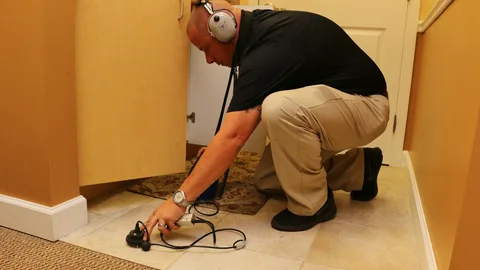
This method uses sensitive electronic equipment to listen for the sound of water escaping from pipes. Special microphones can detect even tiny leaks by amplifying the sound they make. The plumber will listen at different spots on your floor to find where the sound is loudest.
This method is like playing the hot-and-cold game – as the technician moves closer to the leak, the sound gets louder. It’s non-invasive and very accurate when done by experienced professionals.
Infrared Thermography
Infrared cameras can “see” temperature differences that our eyes can’t. They create a color image showing hot and cold areas. Since water leaks change the temperature of the surrounding area, these cameras can spot potential leak locations.
Hot water leaks show up as warm spots, while cold water leaks might appear cooler than the surrounding floor. This technology works through most flooring materials without having to remove them.
Pressure Testing
In this method, plumbers pressurize your pipes with air or water and watch for pressure drops. If pressure falls, it means there’s a leak somewhere. They might isolate different sections of plumbing to narrow down the location.
While pressure testing confirms that a leak exists, it’s often used together with other methods to find the exact spot that needs repair.
Video Pipe Inspection
Tiny waterproof cameras attached to flexible cables can travel through your pipes to see problems from the inside. The plumber feeds the camera into your plumbing system and watches a video monitor to spot cracks, corrosion, or other damage.
This method is especially helpful for seeing the condition of your pipes and finding multiple problem areas at once. It can also help determine if pipes need repair or complete replacement.
Moisture Meters and Sensors
These devices detect higher-than-normal moisture levels in building materials. By taking readings at different spots on your floor, technicians can map out where water is accumulating.
Some advanced moisture sensors can even detect water through several inches of concrete, helping narrow down the search area before using more precise methods.
DIY vs. Professional Detection
When you suspect a slab leak, you might wonder if you can find it yourself or if you need to call a pro. Let’s look at what you can do on your own and when it’s time to bring in experts:
What Homeowners Can Do
You can watch for the warning signs we talked about earlier. Check your water meter for movement when all water is turned off. Turn off your water at the main valve, write down the meter reading, and check it again after a few hours. If it changed, water is leaking somewhere.
You can also feel for warm spots on your floor or listen for running water when everything is turned off. Look for visible signs like cracks, dampness, or mold. These steps help confirm if you might have a leak.
Limitations of DIY Methods
While you can confirm that a leak exists, finding its exact location is much harder without special equipment. DIY methods can’t tell you how bad the leak is or what’s causing it. You might know there’s a problem, but not where or how serious it is.
Concrete foundations are thick and dense. Water can travel along pipes or through soil before appearing, so the visible signs might be far from the actual leak. This makes DIY pinpointing very difficult and potentially misleading.
When to Call a Professional
Call a professional plumber if you notice any of the warning signs we discussed. The sooner you get expert help, the less damage the leak will cause. Professionals have tools and training to find the exact leak location quickly.
You should definitely call a pro if your water bill has increased dramatically, if you hear running water when everything is off, or if you have damp spots or mold appearing on floors. These are serious signs that shouldn’t be ignored.
Also call immediately if you notice your foundation settling or cracking, as this could indicate significant water damage that needs prompt attention.
Cost Considerations
Professional slab leak detection typically costs between $150 and $400, depending on your location and home size. This might seem expensive, but it’s much cheaper than the cost of continued water damage or incorrect repairs.
The cost of fixing a slab leak varies widely based on its location and severity. Simple repairs might cost $500-$1,000, while complex situations could run $2,000-$10,000 or more. However, many homeowners insurance policies cover sudden plumbing leaks, so check your policy.
Remember that the longer a leak continues, the more expensive the eventual repair becomes. Early detection almost always saves money in the long run.
Solutions and Repair Options
Once a slab leak is found, you have several repair options. The best choice depends on the leak’s location, your budget, and the condition of your plumbing system.
This involves accessing just the leaking section of pipe by cutting through the concrete slab directly above it. The damaged pipe section is replaced, and then the concrete is patched. This works well for isolated leaks when the rest of your plumbing is in good shape.
Spot repairs are less expensive upfront but might not be the best long-term solution if your pipes are old or showing signs of wear in multiple places. The repair typically takes 1-2 days to complete.
Spot Repair
Pipe Rerouting (Re-piping)
Instead of accessing pipes under the slab, new pipes are installed through walls or ceilings, bypassing the damaged section completely. The old pipes are capped off and abandoned in place. This avoids breaking through your concrete floor.
Rerouting is a good option when you have multiple leaks or older pipes that are likely to develop more problems. It’s less disruptive to your foundation but might require some wall repairs where new pipes are installed.
Pipe Lining
This newer technology creates a “pipe within a pipe” by coating the inside of your existing pipes with an epoxy resin. The resin hardens to form a new inner pipe that seals leaks and prevents future corrosion. It’s done without extensive digging or concrete removal.
Pipe lining works best for smaller leaks and pipes that are still structurally sound. It’s less disruptive than traditional repairs but isn’t suitable for all situations, especially if pipes are severely damaged or collapsed.
Complete Re-piping
In some cases, especially in older homes with multiple leaks or corroded pipes, replacing the entire plumbing system makes the most sense. This is a bigger project but provides a long-term solution with new, modern pipes.
Complete re-piping can be done with minimal slab cutting by using pipe rerouting techniques. While it’s the most expensive option initially, it often saves money over time by preventing future leaks and repairs.
Insurance Considerations
Many homeowners insurance policies cover sudden plumbing leaks, but coverage varies widely. Some policies cover the cost of accessing the leak (concrete cutting) but not the pipe repair itself. Others might cover water damage but not the leak repair.
Check your policy carefully and document everything with photos and reports from your plumber. Submit claims promptly and be prepared to explain that the leak was sudden rather than a long-term maintenance issue, as gradual damage is often excluded from coverage.
Preventing Future Slab Leaks
While not all slab leaks can be prevented, these steps can reduce your risk of facing this problem:
Regular Plumbing Maintenance
Have a plumber check your plumbing system every 1-2 years. They can spot early signs of problems before they become major leaks. Regular maintenance also helps your pipes last longer.
Ask your plumber to check your water pressure during these inspections. If it’s too high (above 60 PSI), installing a pressure regulator can protect your pipes from excess strain.
Water Quality Management
If you have hard water (water with high mineral content), consider installing a water softener. Hard water leaves mineral deposits inside pipes that can lead to corrosion and leaks over time.
Water filters can also help remove harmful chemicals that might damage pipes. Even simple filters can reduce chlorine and other corrosive substances in your water.
Foundation Maintenance
Keep soil around your foundation evenly moist. In dry periods, light watering around your foundation can prevent soil shrinkage that puts stress on pipes. In rainy seasons, make sure water drains away from your home.
Maintain gutters and downspouts to direct water away from your foundation. This helps prevent the soil expansion and contraction that can damage underground pipes.
Know Your Plumbing System
Learn where your main water shut-off valve is located so you can quickly turn off water if you suspect a leak. Every adult in your home should know how to do this.
Keep records of any plumbing work done on your home. Knowing the age and type of your pipes helps you anticipate potential problems and plan for eventual replacement if needed.
Monitor Water Usage
Check your water bill each month and note any unexpected increases. Many water utilities now offer online monitoring that can alert you to unusual usage patterns.
Some smart home systems can detect leaks early by monitoring water flow. These systems can automatically shut off your water if they detect continuous flow that might indicate a leak.
Frequently Asked Questions About Slab Leak Detection
How long does slab leak detection take?
Professional slab leak detection usually takes 1-3 hours for an average home. The exact time depends on your home’s size, the complexity of your plumbing system, and how difficult the leak is to locate. Once found, repairs might take an additional 1-2 days depending on the repair method chosen.
Will my homeowners insurance cover slab leak repairs?
Many homeowners insurance policies cover sudden plumbing leaks, but coverage varies widely. Some policies cover the cost of accessing the leak (concrete cutting) but not the pipe repair itself. Others might cover water damage but not the leak repair. Check your specific policy and talk to your insurance agent about your coverage.
How much does slab leak repair cost?
Repair costs vary based on the leak’s location and the repair method. Spot repairs typically cost $500-$2,000. Pipe rerouting might cost $1,500-$5,000. Complete re-piping for a home can range from $4,000-$15,000 depending on home size and pipe materials. Always get multiple quotes from licensed plumbers.
Can I live in my home during slab leak repairs?
In most cases, yes. Repairs might require your water to be turned off during work hours, but it can usually be turned back on overnight. Some repair methods like pipe rerouting or pipe lining cause less disruption than spot repairs that require concrete cutting. Your plumber can give you a specific timeline for your situation.
How can I tell the difference between a slab leak and a leaky fixture?
Leaky fixtures like faucets or toilets are usually visible or make noticeable dripping sounds. Slab leaks typically show up as warm floor spots, the sound of running water when no fixtures are on, unexplained high water bills, or damp spots on floors. To check for fixture leaks, turn off each fixture and see if your water meter still moves.
Are some homes more prone to slab leaks than others?
Yes. Homes built between 1950 and 1970 that use copper pipes are particularly vulnerable. Homes in areas with expansive clay soils, earthquake zones, or places with aggressive water chemistry also have higher risk. Newer homes with PEX piping generally have fewer slab leak issues.
How often should I have my plumbing inspected to prevent slab leaks?
For most homes, a professional plumbing inspection every 1-2 years is sufficient. If your home is older (30+ years) or has had previous plumbing issues, annual inspections are recommended. These check-ups can catch small problems before they become major leaks.
Turn to Plumbing Specialists Today
If you suspect a slab leak in your home, don’t wait to get help. The sooner you address the problem, the less damage it will cause. Contact Ark Plumbing today for professional slab leak detection and repair services. Our experienced team has the tools and knowledge to find and fix your leak quickly, protecting your home from costly water damage. Call us now to schedule an appointment and restore your peace of mind!