


Forget About Frozen Pipes Issues!
As winter approaches, many homeowners worry about frozen pipes. This is a valid concern, as frozen pipes can lead to costly repairs and water damage. With some proactive steps, you can protect your plumbing and keep the water running smoothly all season long.
Let’s explore some practical strategies on how to prevent frozen pipes during winter and save you from potential headaches. Keep the cold weather outside and prevent pipes from freezing by following these tips for safety and emergency preparedness.

Understanding the Risk of Frozen Pipes
Before discussing prevention, it’s important to understand why pipes freeze. When temperatures drop below freezing, the water inside your pipes can turn to ice. As water freezes, it expands, putting immense pressure on the pipe walls.
This pressure can cause pipes to crack or burst, leading to water damage and expensive repairs. Pipes most at risk are those in unheated interior spaces like basements, attics, and garages. Pipes running along exterior walls with little insulation are also vulnerable.
Even in warmer climates, a sudden cold snap can catch homeowners off guard and result in frozen pipes. During these cold temperatures, ensure you maintain a safe distance from exterior walls where pipes may be hidden and vulnerable.
Effective Strategies to Prevent Frozen Pipes During Winter
Now that we understand the risks, let’s explore effective ways to prevent frozen pipes and prevent pipes from bursting.
Insulate Exposed Pipes
One of the best defenses against frozen pipes is insulation. Foam pipe insulation is inexpensive and easy to install. Focus on pipes in unheated areas like the basement, attic, and crawl spaces. Consider insulating pipes in unheated interior spaces.
Don’t forget about pipes running along exterior walls — these are particularly susceptible to freezing. Properly insulating pipes goes a long way to prevent property damage. For extra protection, install a pipe sleeve on water pipes that aren’t already insulated.
Maintain a Consistent Indoor Temperature
Keeping your home at a steady temperature is crucial for preventing frozen pipes. The American Red Cross recommends setting your thermostat no lower than 55 degrees Fahrenheit, even when you’re away. This will help prevent your household pipes from freezing.
This temperature helps keep your water supply lines from freezing, even those located in crawl spaces. If you’re planning a winter vacation, don’t turn off the heat completely. Set the thermostat to a safe temperature for your pipes while you’re gone.
Let Faucets Drip
When temperatures plummet, letting your faucets drip can help prevent pipes from freezing. Even a small trickle of running water can prevent freezing. Focus on faucets connected to pipes along exterior walls or in unheated areas.

Moving water is less likely to freeze than standing water. This also relieves pressure in the pipes, which can prevent bursting even if ice forms. Letting the water run a little can prevent pipes from freezing even with fluctuating water pressure.
Open Cabinet Doors
Many pipes run through cabinets, especially in kitchens and bathrooms. During cold snaps, open these cabinet doors to let warm air circulate around the pipes. This is especially helpful for pipes along exterior walls.
Seal Leaks and Drafts
Cold air enters your home through cracks and openings. Inspect your home for air leaks, especially around windows, doors, and where pipes enter the house. Use caulk or insulation to seal these gaps to keep the cold air out and the warm air in.
Prepare Your Outdoor Plumbing
Don’t forget about your outdoor plumbing when preparing for winter. Be sure to winterize by disconnecting garden hoses, closing valves supplying outdoor faucets, and draining water from pipes.
- Disconnect and drain all garden hoses.
- Close inside valves supplying outdoor faucets.
- Open outside faucets to drain the remaining water.
- Keep outdoor valves open so expanding water won’t cause damage.
If you have a sprinkler system, drain it according to the manufacturer’s instructions.
Know Your Pipes’ Location
Familiarize yourself with your home’s plumbing system. Knowing where your pipes are, especially those in unheated or exterior areas, can help you focus your prevention efforts. Consider insulating pipes in kitchen cabinets, which can also be vulnerable to freezing if located along an exterior wall. This will prevent ice blockage.
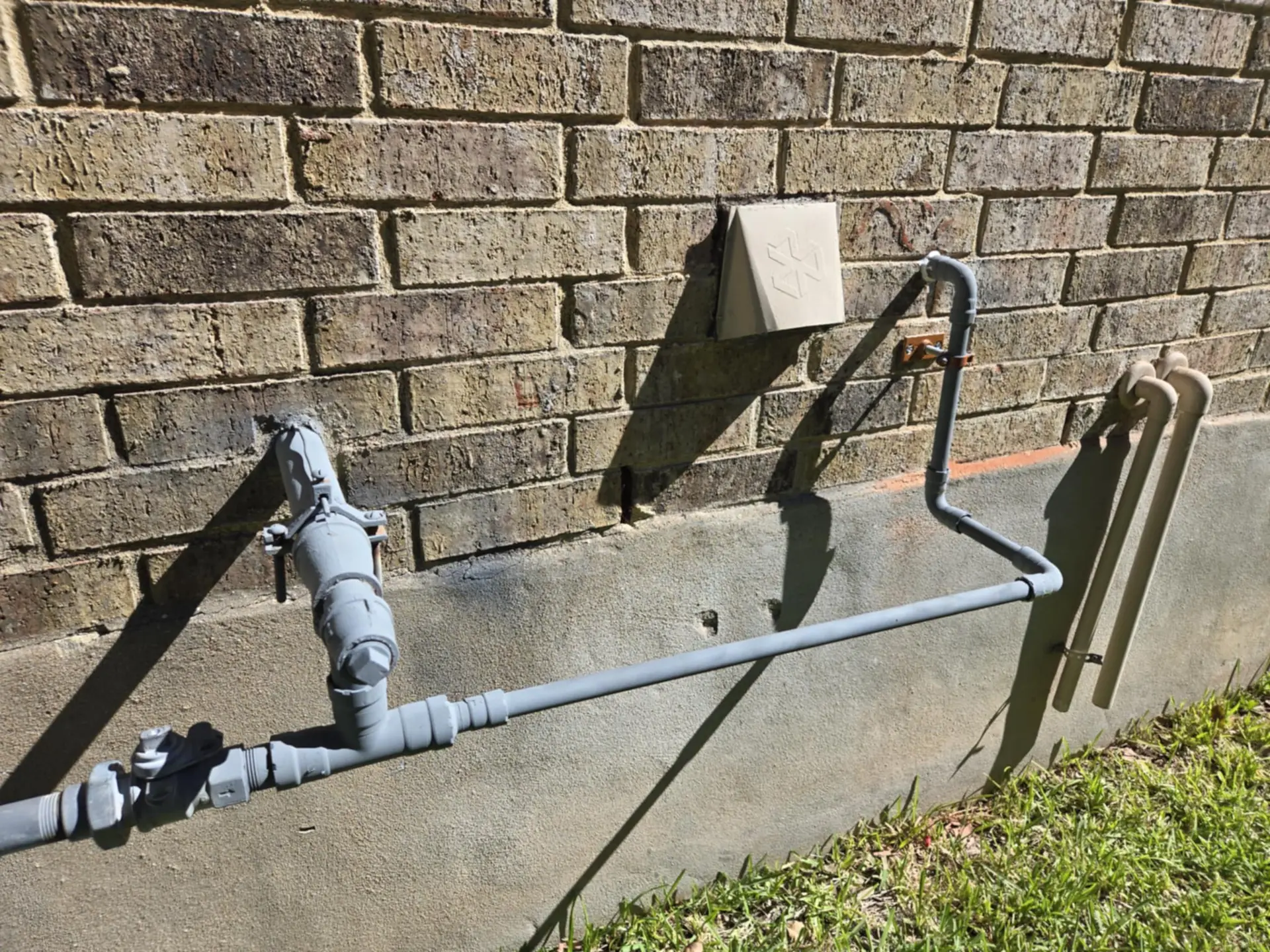
You should also know where your main water shut-off valve is. In an emergency, you’ll need to quickly shut off the water to minimize damage. Knowing where your pipes are located will allow you to take effective measures in cold temperatures and also save money on repairs.
Additional Tips for Extreme Cold
When extremely cold temperatures are expected, take these extra precautions. These safety tips could protect your home from water damage.
Use Space Heaters Wisely
If you have areas prone to freezing, use a space heater for extra warmth. Follow all safety guidelines and never leave a space heater unattended. Do not put the space heater too close to flammable materials and use a customer service-approved model for a heat pump. Consider thawing frozen with other options for safety reasons.
Keep Garage Doors Closed
If you have water supply lines in your garage, keep the doors closed as much as possible to maintain a warmer temperature and protect your pipes.
Remove Hoses from Outdoor Faucets
Even if drained, disconnect hoses from outdoor faucets. Leaving a hose connected can trap water, which may freeze and damage the faucet or connecting pipes.
What to Do If Your Pipes Freeze
Even with precautions, pipes might freeze. If this happens, here’s what to do: Keep the water running by leaving your faucets dripping slightly. Make sure to do so along your water supply lines for optimum prevention. Be aware that temperatures can fluctuate quickly during cold snaps, even in interior spaces.
- Turn on the faucet to monitor thawing.
- Apply heat to the frozen section with an electric heating pad, hair dryer, or portable space heater (never an open flame). If possible, melt ice by wrapping thawing frozen pipes in warm towels, and sealing air around the affected area to expedite the process. Make sure no open flame device is in the room while performing this process and no flammable materials are around.
- Continue applying heat until full water pressure is restored. Once your frozen water pipes begin thawing, they are vulnerable to breakage due to changing water pressure, particularly in areas such as your crawl space. It’s advisable to inspect pipes regularly after thawing and monitor the water flow for any abnormalities that might suggest the formation of an ice blockage or a weakening of your pipe’s integrity. Immediately repairing pipe bursts and maintaining a consistently adequate water supply can minimize the risks associated with broken or leaking pipes and prevent extensive water damage.
- Check all other faucets. If one pipe freezes, others may too.
If you can’t locate the frozen area, or thawing doesn’t work, call a licensed plumber. You may also want to contact your water main for additional support and social media advice on a plumber. You can use cold weather payments or save money on expenses if you hire a trusted source. You can use cold weather payments and apply heat.
The Importance of Professional Help
While preventing frozen pipes can be a DIY project, don’t hesitate to seek professional help when needed. A licensed plumber can assess your home’s plumbing vulnerabilities and offer solutions. In areas with extreme cold, a plumber might recommend heat cables or heat tape on vulnerable pipes for consistent warmth. Consider contacting the American Red Cross for help in finding plumbers near you.

How to Prevent Frozen Pipes During Winter: Final Thoughts
Preventing frozen pipes during winter is crucial for every homeowner. By taking proactive steps like insulating pipes, maintaining a consistent indoor temperature, and letting faucets drip during extreme cold, you can protect your home from costly burst pipe damage.
Be sure to protect the pipes where your water meter is located to ensure they do not burst. Prevent property damage by addressing pipe bursts promptly and keeping water mains clear. This attention to pipe bursts prevents interruptions in your water supply and averts any unnecessary expense related to pipe bursts.
Remember, preparation and vigilance are key. Stay warm, stay prepared, and keep that water flowing all winter long. If you would like to receive in-person professional advice on how to prevent frozen pipes during winter, be sure to contact us and schedule an appointment!